Many homeowners focus on gutters when thinking about rainwater management, but downspouts play an equally important role in protecting a home’s foundation, roof, and landscaping.
A properly functioning gutter system collects rainwater from the roof, while downspouts direct that water safely away from the property. When downspouts become clogged, damaged, disconnected, or improperly positioned, water can accumulate around your home and lead to costly repairs.
In Florida, where heavy rainstorms and hurricane season bring large amounts of rainfall in a short period, keeping downspouts in good condition is essential. If you’ve noticed drainage problems around your property, your downspouts may be trying to tell you something.
Why Downspouts Matter More Than Most Homeowners Realize
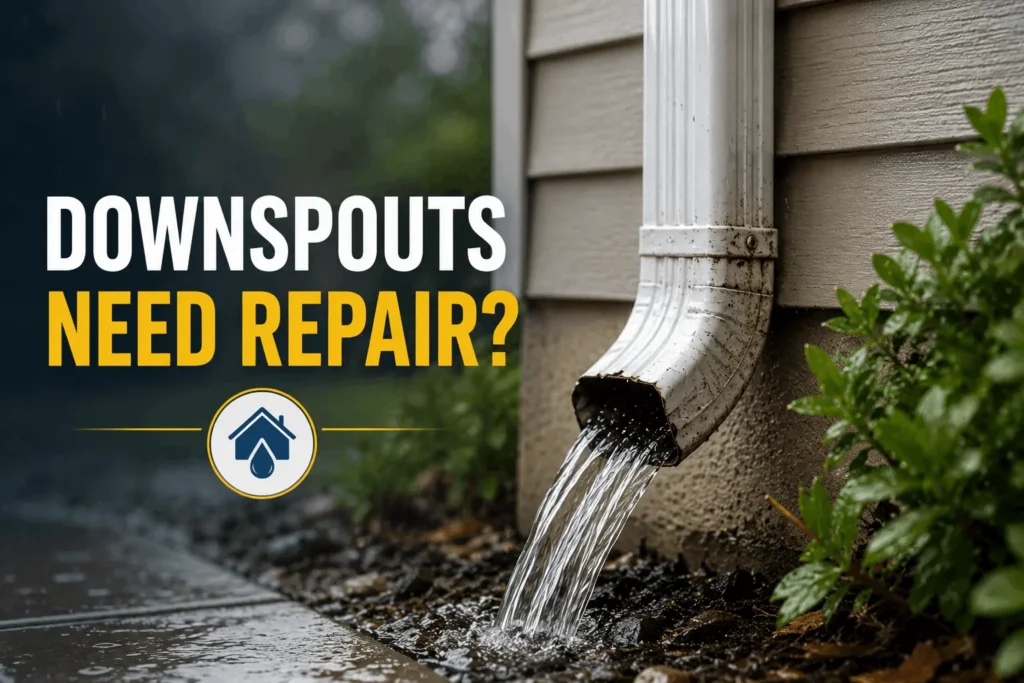
Your gutters collect rainwater, but downspouts are responsible for carrying that water away from your home’s foundation.
Without effective downspouts, even a clean gutter system can experience drainage issues. Properly functioning downspouts help:
- Prevent foundation damage
- Reduce soil erosion
- Protect landscaping
- Minimize basement or crawlspace moisture
- Reduce roof drainage problems
- Improve overall gutter performance
During Florida’s rainy season, damaged downspouts can quickly become a major problem.
7 Signs Your Downspouts Need Repair
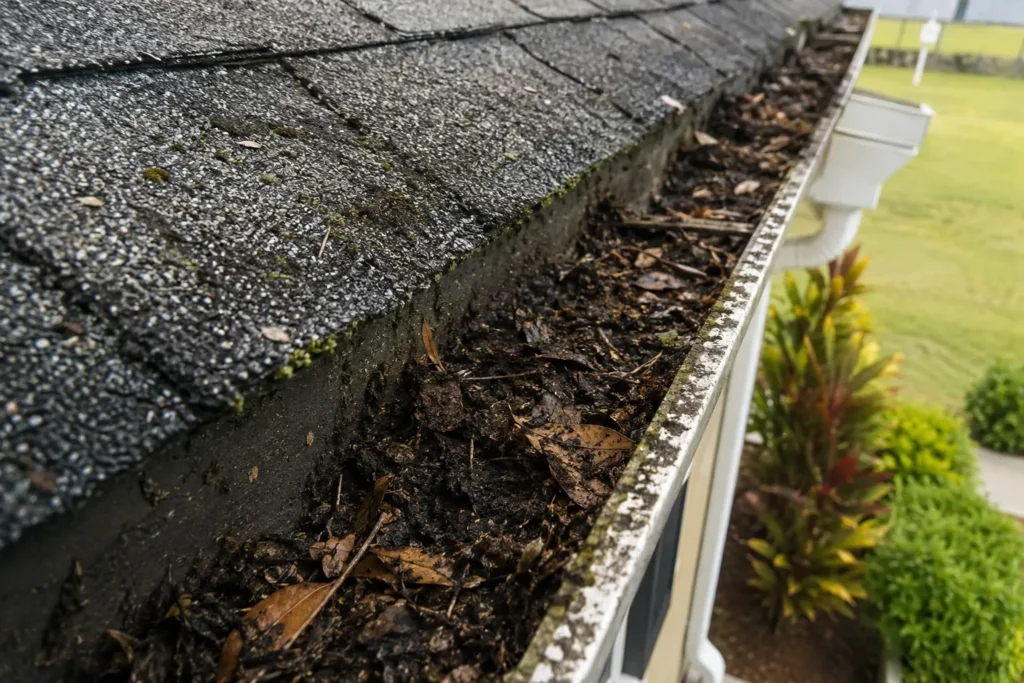
Yes, this happens. And it looks strange the first time you notice it. Leaves sit in the gutter for months, break down, collect moisture, and eventually small plants start growing. Florida weather makes this even worse because heat and moisture speed everything up. If grass is growing out of your gutters, they’ve definitely been ignored for too long.
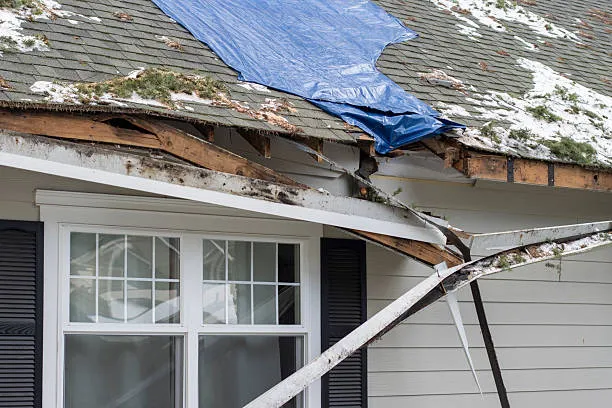
Also check our guide on the most common warning signs homeowners should watch for for gutter damage after strom
1. Water Pooling Around Your Foundation
One of the most obvious warning signs is standing water around your home’s foundation after rainfall.
When downspouts fail to direct water far enough away from the property, water collects near the structure instead of draining properly. Over time, this can contribute to:
- Foundation settlement
- Soil erosion
- Cracks in concrete
- Moisture intrusion
2. Downspouts Are Pulling Away From the House
Strong winds, storms, and age can cause downspouts to separate from the exterior wall. Loose brackets and disconnected sections reduce drainage efficiency and can eventually cause complete system failure. If you notice gaps between the wall and the downspout, repairs should be scheduled before the next heavy storm. Visit our downspouts repair service page to book service, if you need repairs
3. Visible Cracks, Holes, or Rust
Even small cracks can allow water to escape before reaching the drainage area. Watch for:
- Rust spots
- Corrosion
- Small holes
- Split seams
- Damaged joints
These issues often worsen during Florida’s wet season.
4. Water Overflowing Near the Bottom of the Downspout
If water spills out near the top or middle of the downspout during rain, there may be a blockage inside the system. Common causes include:
- Leaves
- Pine needles
- Roof granules
- Storm debris
- Nesting materials
Regular gutter and downspout cleaning can help prevent these issues.
5. Soil Erosion Around the Home
Improper drainage often causes mulch, soil, and landscaping materials to wash away after heavy rain. This may indicate:
- Poor downspout placement
- Insufficient drainage extensions
- Damaged discharge areas
6. Frequent Gutter Overflow
Many homeowners assume overflowing gutters are always caused by clogged gutters. In reality, blocked downspouts are often the root cause. When water cannot flow through the downspout, it backs up into the gutter system and eventually spills over the edges.
7. Water Stains on Siding or Exterior Walls
Water escaping from damaged downspouts often leaves visible streaks or staining on siding.
If left untreated, excessive moisture can contribute to:
- Mold growth
- Paint damage
- Wood rot
- Exterior deterioration
Common Causes of Downspout Damage in Florida
Florida weather creates unique challenges for gutter systems. Some of the most common causes include:
Heavy Rainfall
Frequent storms place significant stress on drainage systems.
Hurricane Winds
Strong winds can loosen brackets and disconnect downspout sections.
Tree Debris
Leaves, branches, and pine needles often create blockages.
Aging Gutter Systems
Older components naturally deteriorate over time.
Improper Installation
Poorly installed downspouts may struggle to handle heavy water flow.
How Regular Maintenance Helps Prevent Downspout Repairs
Routine maintenance is one of the best ways to avoid expensive drainage problems.
Homeowners should:
- Schedule regular gutter cleaning
- Inspect downspouts after storms
- Remove visible debris
- Check for loose brackets
- Monitor drainage performance during rainfall
Preventive maintenance often identifies small issues before they become major repairs.
FAQs
Can a damaged downspout cause foundation problems?
Yes. When water is not directed away from the home, it can accumulate around the foundation and contribute to structural issues
How often should downspouts be inspected?
Most homes benefit from inspections at least twice per year and after major storms.
Can clogged downspouts cause gutter overflow?
Absolutely. Blocked downspouts are one of the most common reasons gutters overflow during heavy rain.
Should damaged downspouts be repaired or replaced?
The answer depends on the severity of the damage. Minor issues can often be repaired, while severely damaged sections may require replacement.
Final thoughts
Downspouts are one of the most important components of a home’s drainage system, yet they are often overlooked until problems appear. By identifying warning signs early and addressing repairs promptly, homeowners can help protect their roofs, foundations, landscaping, and overall property value.
Before Florida’s rainy season arrives, inspecting your downspouts could help prevent costly water damage and improve the performance of your entire gutter system.